


Description
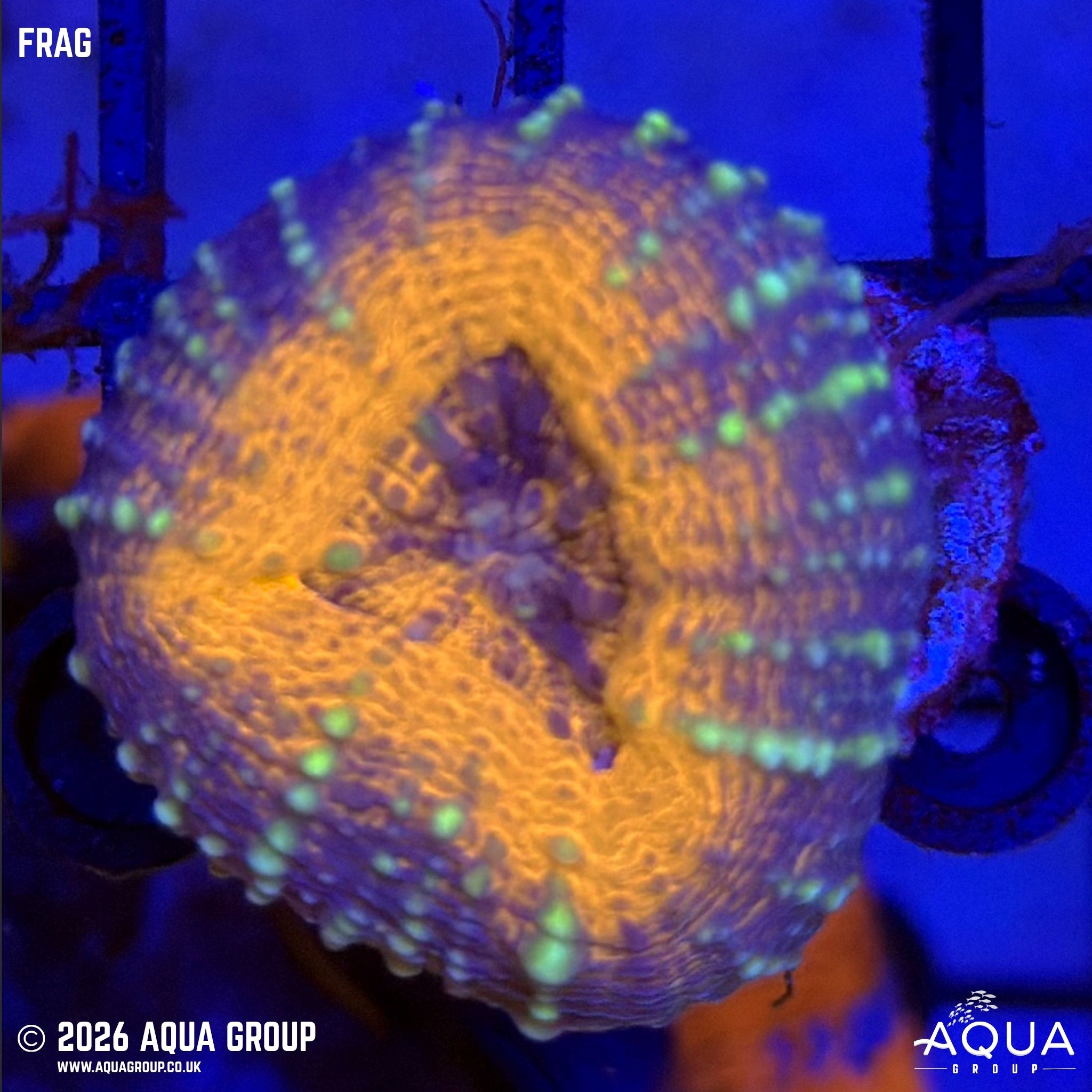
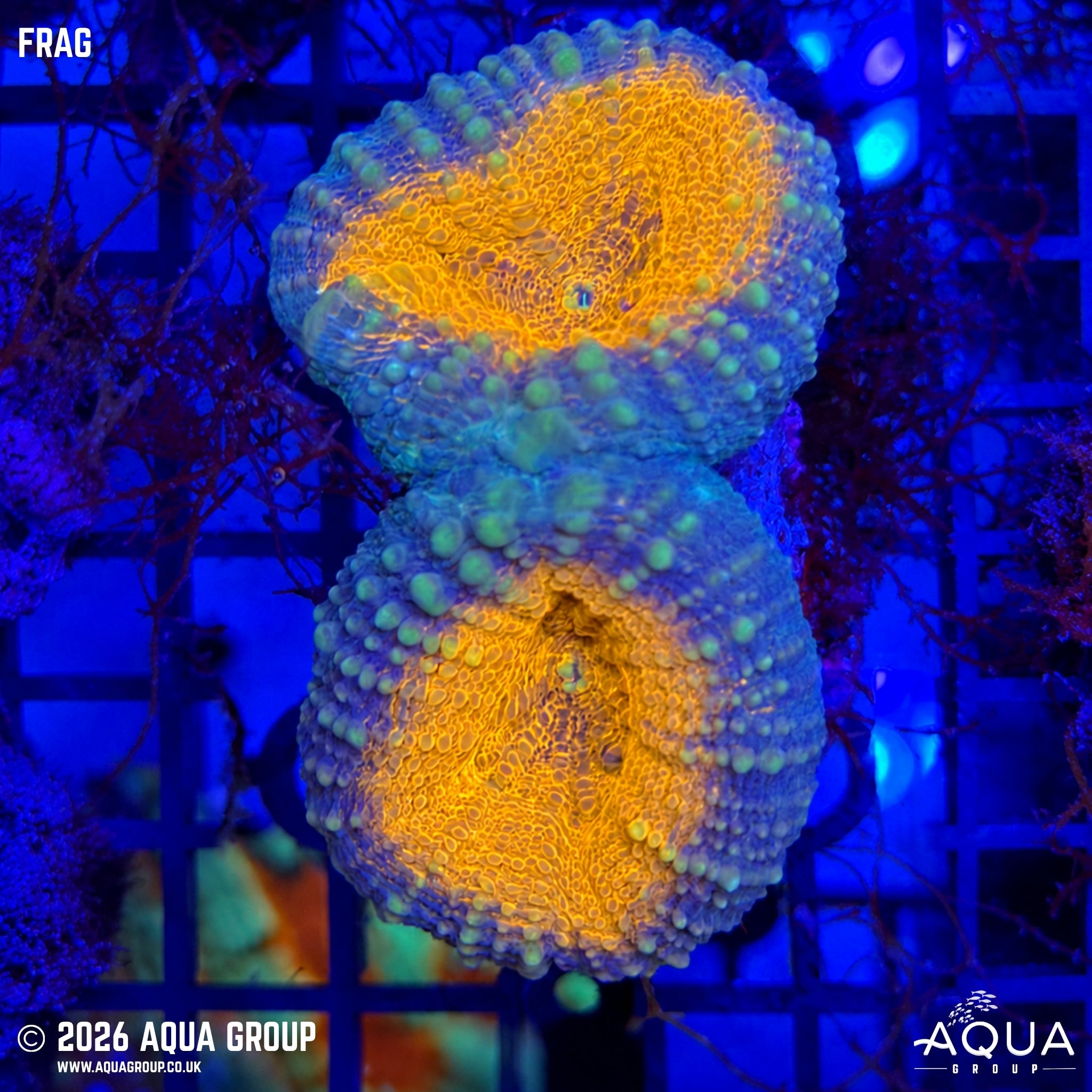
Tangerine Branching Lobo (Lobophyllia sp.)
Tangerine Branching Lobo is a striking LPS coral admired for its warm orange to tangerine colouration, fleshy tissue and bold reef presence. With its sculpted skeletal structure and inflated polyp appearance, it makes an attractive feature coral for lower areas of the reef aquarium, adding rich colour and texture to a stable marine display.
Common Name:
Tangerine Branching Lobo, Lobo Coral, Lobophyllia Coral, Brain Coral
Scientific Name (Latin):
Lobophyllia sp.
Coral Type:
LPS Coral
Growth Form:
Branching to lobed skeletal growth with large fleshy polyps and thick tissue over a hard calcium carbonate skeleton.
Water Type:
Marine
Origin / Natural Habitat:
Lobophyllia corals are found across Indo-Pacific reef environments, including reef slopes, lagoons and mixed coral habitats where they grow on rockwork or rubble zones with moderate light, indirect flow and stable reef conditions.
Water Parameters:
Temperature: 24–26°C
pH Range: 8.1–8.4
Salinity: SG 1.024–1.026
Alkalinity: 7–10 dKH
Calcium: 400–450 ppm
Magnesium: 1250–1350 ppm
Nitrate: Low but detectable
Phosphate: Low but detectable
Lighting:
LOW TO MEDIUM
Tangerine Branching Lobo is best kept under low to medium reef lighting. It can adapt to brighter conditions over time, but sudden exposure to high intensity may cause tissue stress, paling or retraction. Gradual light acclimation is recommended when introducing it to a new aquarium.
Flow:
LOW TO MEDIUM
Provide gentle to moderate, indirect flow that keeps the coral surface clean without blasting the fleshy tissue. Strong direct flow should be avoided, as it can prevent natural inflation and may cause the tissue to rub against the skeleton.
Placement:
Place on the sandbed or lower rockwork where the coral has a stable base and room to inflate fully. Avoid sharp rock edges touching the tissue and allow generous spacing from neighbouring corals, especially aggressive LPS corals with sweeper tentacles.
Temperament / Aggression:
Semi-aggressive
Lobophyllia corals can sting nearby corals through direct contact and may extend feeding or sweeper tentacles after dark. Provide clear space around the coral to prevent tissue damage and avoid placing it too close to delicate SPS, soft corals or less aggressive LPS species.
Feeding:
Photosynthetic, but benefits from feeding
Tangerine Branching Lobo receives energy from light through its symbiotic zooxanthellae, but occasional feeding can support colour, tissue fullness and growth. Suitable foods include small mysis, finely chopped meaty marine foods, LPS pellets and enriched coral foods offered when feeding tentacles are visible.
Growth Rate:
Slow to moderate
In a stable reef aquarium, Tangerine Branching Lobo usually grows steadily rather than quickly, gradually developing fuller tissue and stronger skeletal growth over time. Stable alkalinity, calcium and magnesium are important for long-term health.
Special Requirements or Care Notes:
Tangerine Branching Lobo should be kept in a mature, stable reef aquarium with consistent water chemistry and moderate nutrients. Avoid sudden changes in salinity, alkalinity or lighting, and protect the fleshy tissue from rough handling or sharp rockwork. Ensure detritus does not settle between the lobes, and inspect carefully before introduction. Coral dips may be used where appropriate to reduce the risk of pests or unwanted hitchhikers. Watch for tissue recession, prolonged deflation or damage around the skeleton, as these can indicate stress.
Suitable for:
Beginner to Intermediate reefkeepers
Availability:
Premium coral
All images are a visual representation of the coral you will receive, made to be as accurate as possible. Please note that Mother Nature is a wonderful thing, and variation in patterns, colours and growth form will occur — that is part of the unique beauty of these animals.
Order and get 35 reward points
Earn points by signing up for our rewards program