


Description
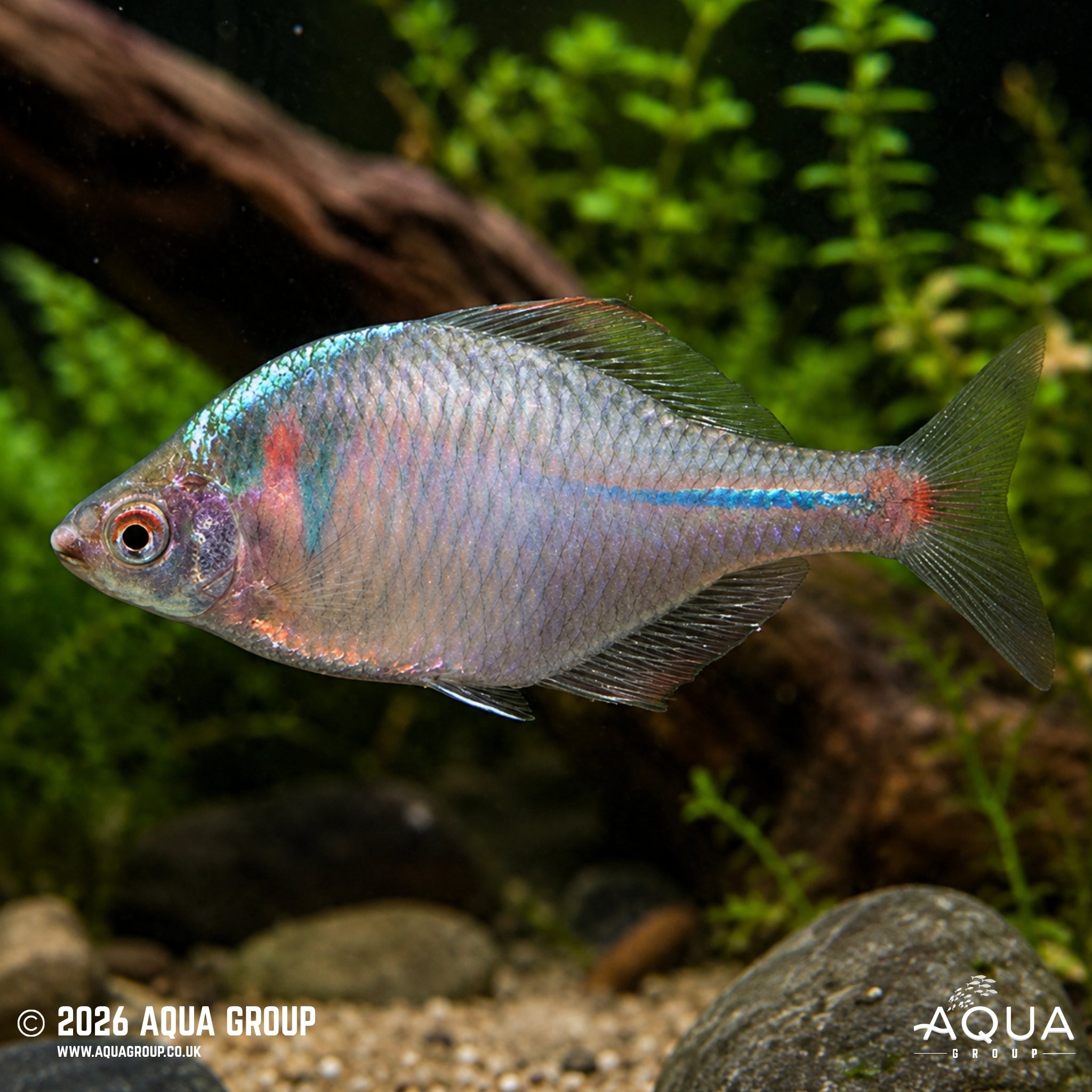
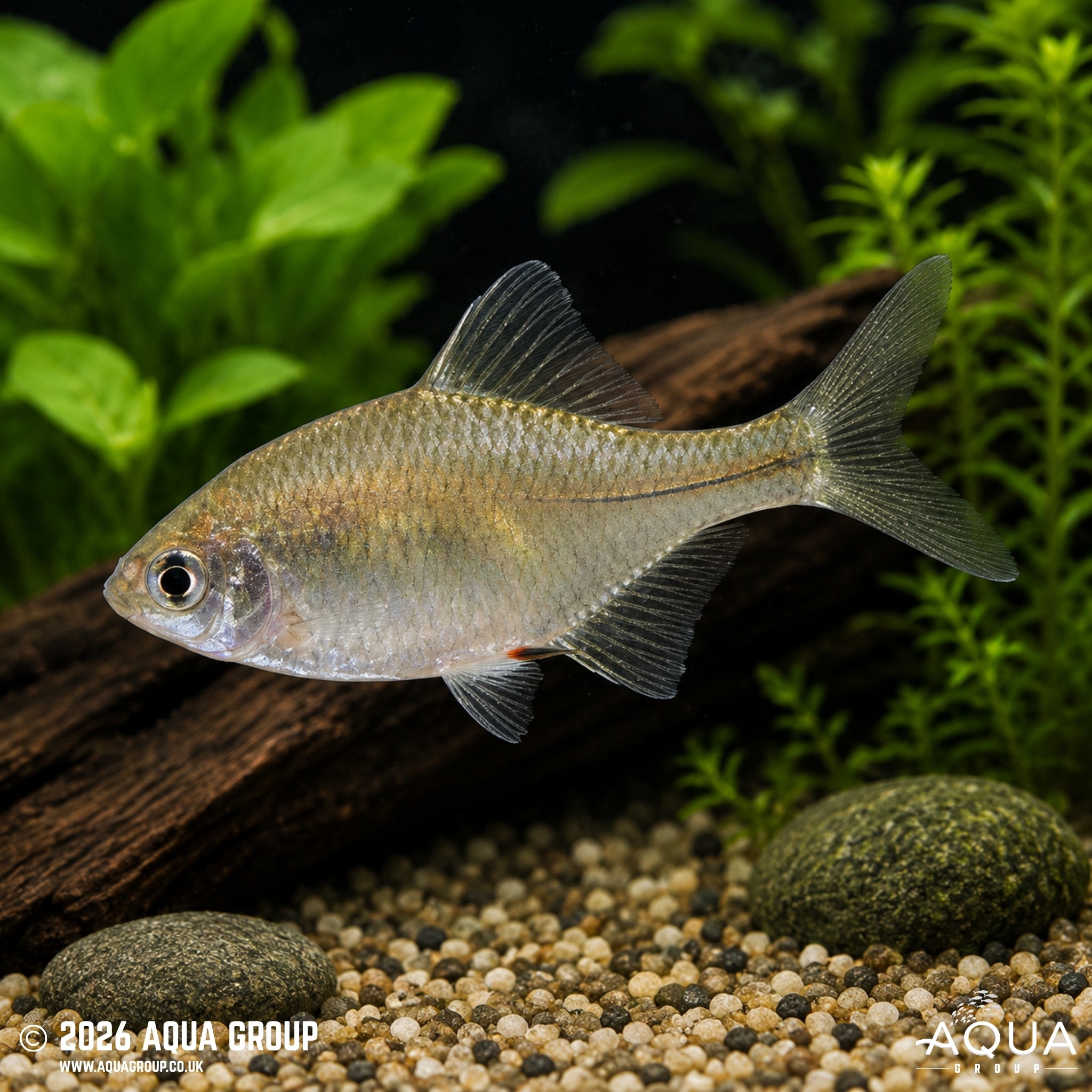
Rosy Bitterling (Rhodeus ocellatus)
The Rosy Bitterling, Rhodeus ocellatus, is a peaceful, cool-water cyprinid with a silvery body, delicate pink to rosy breeding colour and attractive natural shoaling behaviour. This unusual species is best suited to unheated or cooler aquariums, temperate planted setups or carefully managed outdoor tubs rather than warm tropical community tanks. It is especially interesting because bitterlings have a remarkable breeding relationship with freshwater mussels, although this should only be attempted responsibly and never with protected native UK mussels.
Common Name:
Rosy Bitterling, Chinese Bitterling, Rose Bitterling, Bitterling.
Scientific Name (Latin):
Rhodeus ocellatus
Maximum Size:
Usually around 5–6 cm, with FishBase recording a maximum of 9.2 cm standard length.
Water Type:
Freshwater; can tolerate mildly brackish conditions in some references, but normally kept as a freshwater temperate species.
Origin / Natural Habitat:
Native to eastern Asia and Taiwan, with records also from Russia, and introduced in some areas outside its natural range. In the wild, Rosy Bitterlings are found in shallow ponds, marshes, lowland waters and irrigation canals. They are associated with calm or slow-moving habitats, often where aquatic plants, soft margins and freshwater mussels are present.
Water Parameters:
Temperature: 16–24°C
pH Range: 7.0–8.0
Hardness or Salinity: Moderately hard to hard freshwater preferred; avoid very soft, acidic conditions. Clean, stable, well-oxygenated water is important.
Temperament:
Peaceful and sociable. Rosy Bitterlings are best kept in groups and are usually suitable with other calm, cooler-water fish of similar size. Males may become more colourful and display during the breeding season, but they are not aggressive community fish when given enough space.
Diet:
Omnivorous. Offer quality temperate flakes, small pellets, fine granules, frozen daphnia, cyclops, brineshrimp, bloodworm, mosquito larvae and occasional vegetable or spirulina-based foods. They will also browse small natural foods in mature aquariums and planted outdoor tubs.
Minimum Tank Size:
A minimum of 90 litres is recommended for a group, with 120 litres or more preferred for a larger shoal or mixed cooler-water community. A longer aquarium with open swimming space, plants and gentle flow is better than a small tall tank.
Behaviour & Activity:
An active mid-water shoaling fish that does best in groups of at least 6, with 8–10 or more preferred. Rosy Bitterlings spend much of their time moving through open water, plant cover and calmer margins. During breeding condition, males may show stronger rosy colouration and display around suitable spawning areas. Females use a long ovipositor to place eggs inside living freshwater mussels, where the young remain until they are able to swim freely.
Aquarium Category:
Community Fish
Suitable with peaceful temperate fish such as White Cloud Mountain Minnows, Rosy Red Minnows, Rainbow Shiners, weather-tolerant danios, small peaceful loaches and other calm fish that enjoy similar cooler conditions. Avoid warm tropical communities, aggressive cichlids, fin-nippers, large predators and very small fry that may be eaten.
Special Requirements or Care Notes:
This is a cooler-water fish and should not be kept long term in high tropical temperatures. Provide a mature aquarium with good filtration, regular water changes, plants, open swimming space and a secure lid. A winter cooling period may improve long-term condition and natural breeding cycles. Breeding requires compatible freshwater mussels, but this should only be attempted with legal, ethically sourced, non-native aquarium-safe mussels; never collect native UK mussels from the wild. Be aware that this species has been introduced outside its natural range, so it must never be released into ponds, streams or local waterways.
Suitable for:
Intermediate fishkeepers
Availability:
Occasional in trade / Seasonal or specialist temperate import where relevant
All images are a visual representation of the fish you will receive, made to be as accurate as possible. Please note that Mother Nature is a wonderful thing, and variation in patterns and colours will occur — that is part of the unique beauty of these animals.
Order and get 4 reward points
Earn points by signing up for our rewards program