

Description
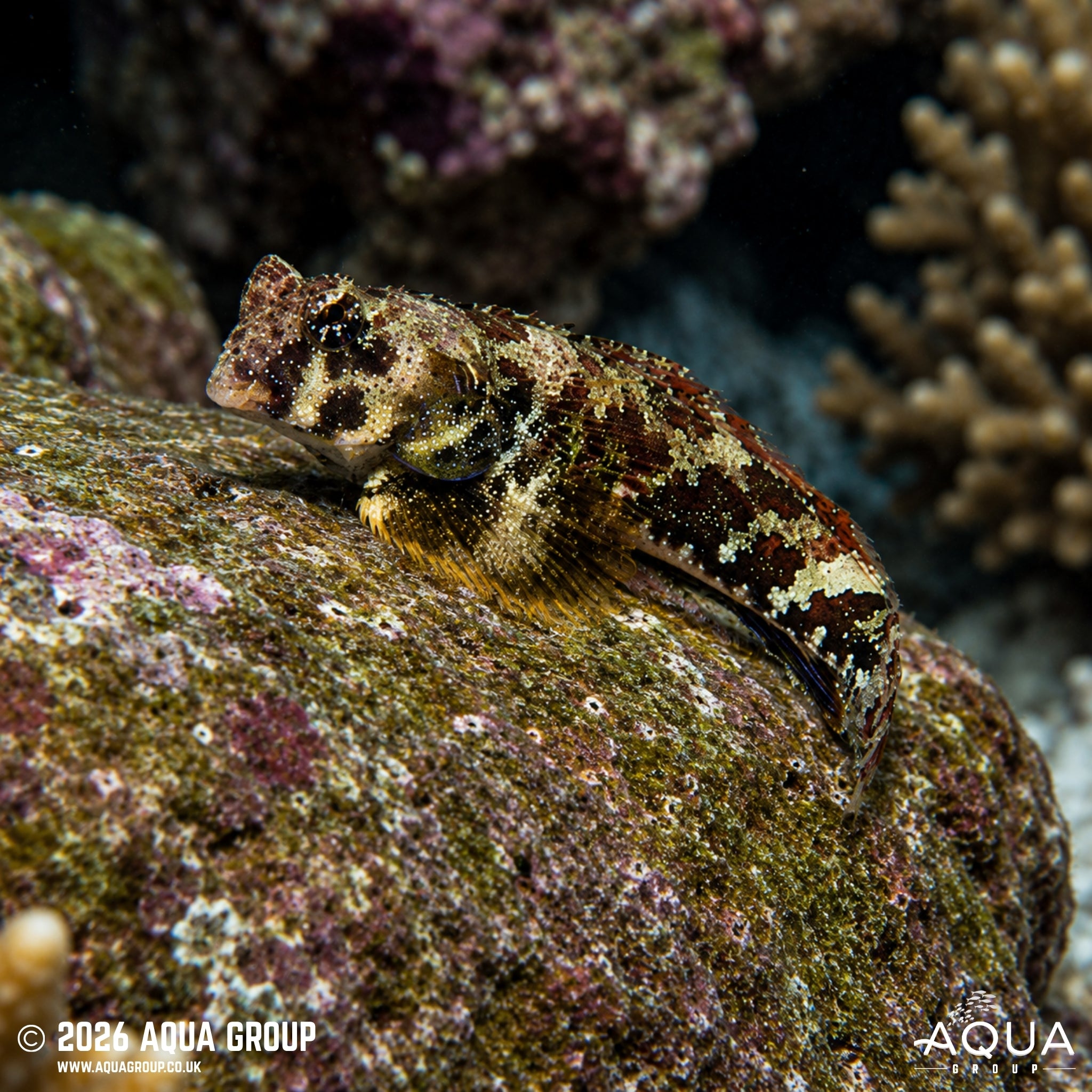
Scooter Blenny (Synchiropus ocellatus)
The Scooter Blenny, Synchiropus ocellatus, is a fascinating and characterful marine dragonet, admired for its patterned body, alert eyes, oversized pectoral fins and unique “scooting” movement across the substrate and rockwork. Also known as the Scooter Dragonet or Ocellated Dragonet, this species is peaceful, reef safe and full of personality, but it is not a true blenny and has more specialist feeding requirements than many beginner marine fish. It is best suited to mature reef aquariums with plenty of live rock, natural microfauna and peaceful tank mates.
Common Name:
Scooter Blenny, Scooter Dragonet, Ocellated Dragonet, Ocellated Scooter Dragonet, Scooter Fish.
Scientific Name (Latin):
Synchiropus ocellatus
Also listed by some references as Neosynchiropus ocellatus.
Maximum Size:
Around 8–12 cm, depending on reference and individual growth, making it a small but specialist bottom-dwelling marine fish.
Water Type:
Marine
Origin / Natural Habitat:
Found in the South-West Pacific, including areas from southern Japan through to the Marquesan Islands and nearby tropical reef regions. In the wild, Scooter Blennies inhabit shallow sandy lagoons, rocky reefs, rubble areas and reef-associated habitats, where they spend much of the day moving close to the substrate and picking at tiny natural foods among sand, rock and algae-covered surfaces.
Water Parameters:
Temperature: 24–27°C
pH Range: 8.1–8.4
Hardness or Salinity: SG 1.020–1.025
Temperament:
Peaceful. Scooter Blennies are generally safe with calm reef fish and other peaceful marine tank mates. They should not be housed with aggressive fish, large predators or very fast-feeding species that may prevent them from getting enough food. Males may be territorial towards each other, so multiple specimens should only be kept in suitable aquariums with careful sexing and plenty of space.
Diet:
Carnivorous micro-predator. In the wild, this species feeds heavily on copepods, amphipods and other tiny invertebrates found among the rockwork and substrate. In the aquarium, a mature system with a strong natural pod population is strongly recommended. Some individuals can be trained to accept frozen foods such as enriched brineshrimp, finely chopped mysis shrimp, frozen copepods and other very small meaty foods, but prepared foods alone may not sustain them unless they are feeding confidently and regularly. A refugium or regular pod supplementation can be very helpful.
Minimum Tank Size:
A practical minimum of around 150–200 litres is recommended for a single specimen, with larger mature aquariums preferred for long-term success. The aquarium should have plenty of established live rock, a mature sand bed or rubble areas, and enough natural microfauna to support grazing throughout the day.
Behaviour & Activity:
A bottom-dwelling dragonet that spends much of its time “scooting” across sand, rockwork and rubble while searching for tiny foods. It is usually peaceful and slow-moving, often perching or hopping rather than swimming continuously in open water. Mature males may develop a larger, more decorative first dorsal fin and can display to females or rival males. A secure lid is recommended, as startled marine fish can jump.
Reef Safe:
Reef Safe
Scooter Blennies are considered reef safe and do not normally nip corals, clam mantles or sessile invertebrates. They are suitable for mature peaceful reef aquariums, although they will feed on natural copepods, amphipods and small microfauna within the system.
Special Requirements or Care Notes:
Best kept in a mature, stable aquarium with plenty of natural pods and peaceful tank mates. Avoid newly set up aquariums, bare systems or tanks with multiple pod-eating competitors such as mandarins, leopard wrasses or other dragonets unless the system is large and well established. Check that the fish is feeding before purchase where possible. Newly introduced specimens may slowly lose condition if they are not getting enough food, so body shape, feeding response and belly condition should be monitored closely.
Suitable for:
Intermediate fishkeepers
Availability:
Regularly available in the marine aquarium trade / Availability can vary depending on size, sex, supplier and import season
All images are a visual representation of the fish you will receive, made to be as accurate as possible. Please note that Mother Nature is a wonderful thing, and variation in patterns and colours will occur — that is part of the unique beauty of these animals.
Order and get 25 reward points
Earn points by signing up for our rewards program