

Description
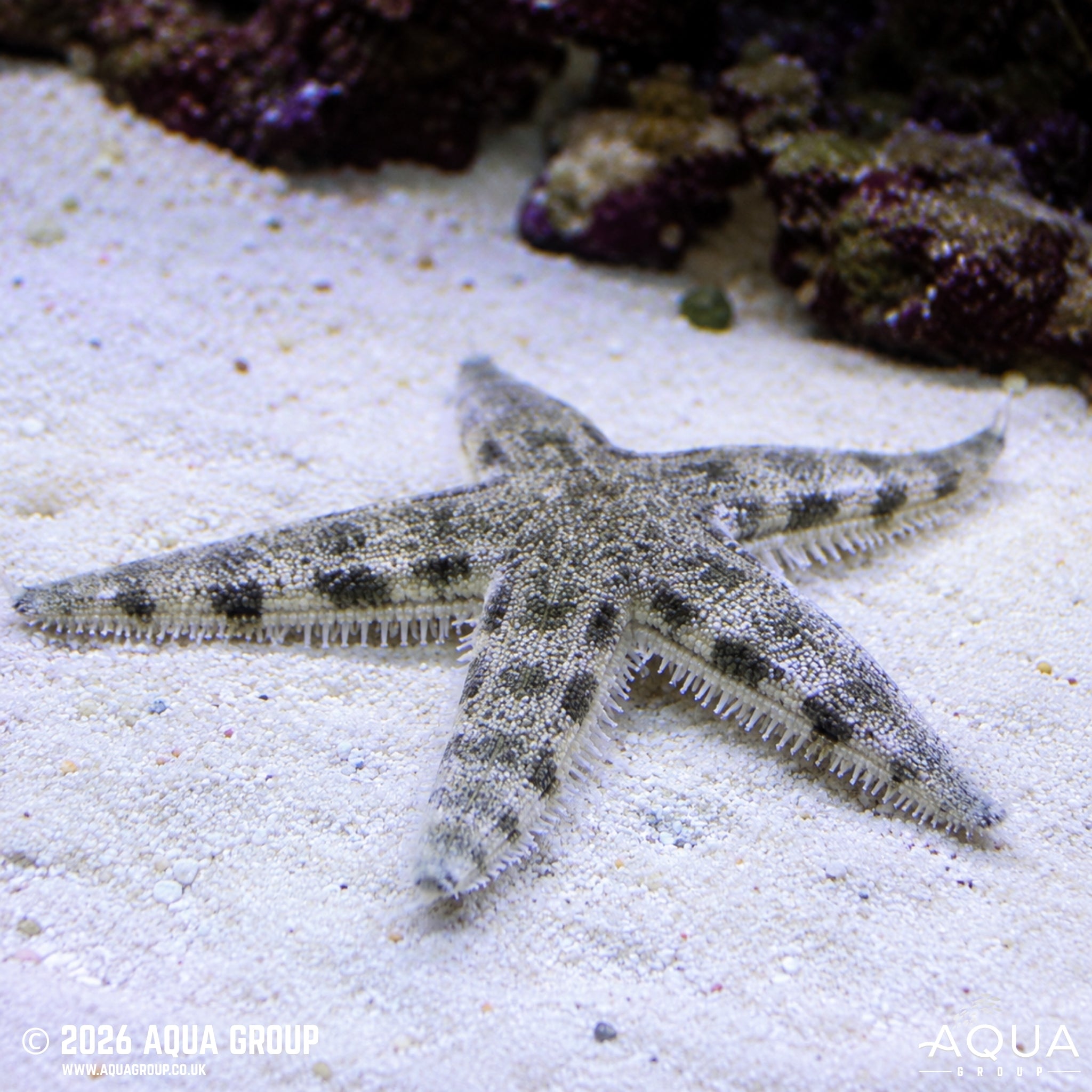
Sand Sifting Starfish (Archaster typicus)
The Sand Sifting Starfish, Archaster typicus, is a peaceful marine sea star valued for its natural burrowing and substrate-turning behaviour. Also known as the Sand Sifting Sea Star, Sand Star or Common Sea Star, this Indo-Pacific echinoderm spends much of its time moving through soft sand in search of detritus, decaying organic matter and tiny invertebrates. It is reef safe and useful in mature aquariums with suitable sand beds, but it should not be added to new, sterile or bare-bottom systems where there is not enough natural food.
Common Name:
Sand Sifting Starfish, Sand Sifting Sea Star, Sand Star, Common Sea Star, Sand-sifting Star.
Scientific Name (Latin):
Archaster typicus
Maximum Size:
Usually around 12–15 cm across, with some regional variation.
Water Type:
Marine
Origin / Natural Habitat:
Indo-Pacific shallow coastal habitats. Naturally found on sandy shores, soft sediments, seagrass areas, shoals and mangrove-associated habitats. Juveniles may occur around mangrove prop roots before moving into sandy and seagrass habitats as they grow.
Water Parameters:
Temperature: 24–27°C
pH Range: 8.1–8.4
Hardness or Salinity: SG 1.023–1.025
Temperament:
Peaceful. It will not bother fish, corals or most mobile invertebrates, but it is vulnerable to predators such as Harlequin Shrimp, triggers, puffers, large wrasses, aggressive crabs and other animals that may eat or damage sea stars.
Diet:
Deposit-feeding detritivore and sand-bed forager. In the aquarium, it feeds by moving through the sand and consuming detritus, decaying plant material, organic films, leftover food particles and tiny invertebrates within the substrate. In very clean systems, it may slowly starve, so occasional target feeding with small sinking marine foods, pellets or finely chopped meaty foods may be helpful if accepted.
Minimum Tank Size:
A minimum of 250 litres is recommended for a single specimen, with larger mature aquariums preferred. The aquarium should have a broad area of established soft sand rather than coarse gravel, crushed coral or bare-bottom layout.
Behaviour & Activity:
A sand-dwelling sea star that spends much of its time buried just under the surface or moving slowly across the substrate. It helps turn the upper sand layer while searching for food. It may be more visible during quieter periods, but long periods beneath the sand are normal. It should not be expected to clean algae from glass or rockwork like an urchin or snail.
Reef Safe:
Reef Safe
Generally safe with corals, snails, hermit crabs, cleaner shrimps and peaceful reef fish. It does not eat coral tissue and is usually valued for sand-bed activity. The main reef consideration is food availability, as it can deplete small sand-bed fauna over time and may starve in small or overly clean aquariums.
Special Requirements or Care Notes:
Requires a mature aquarium with a soft, established sand bed and stable salinity. Like other echinoderms, it is sensitive to copper, sudden salinity changes, poor acclimation and unstable water quality, so slow acclimation is important. Avoid sharp substrates, newly set-up tanks and aquariums with predators of sea stars. Do not keep with Harlequin Shrimp, as they specialise in eating sea stars. If the animal remains exposed, shrinks, loses firmness or shows tissue deterioration, check water quality and food availability immediately.
Suitable for:
Beginner to intermediate fishkeepers
Availability:
Common in trade
All images are a visual representation of the animal you will receive, made to be as accurate as possible. Please note that Mother Nature is a wonderful thing, and variation in patterns and colours will occur — that is part of the unique beauty of these animals.
Order and get 25 reward points
Earn points by signing up for our rewards program